
Geosciences
Rock Alteration and Its Significance in Geosciences
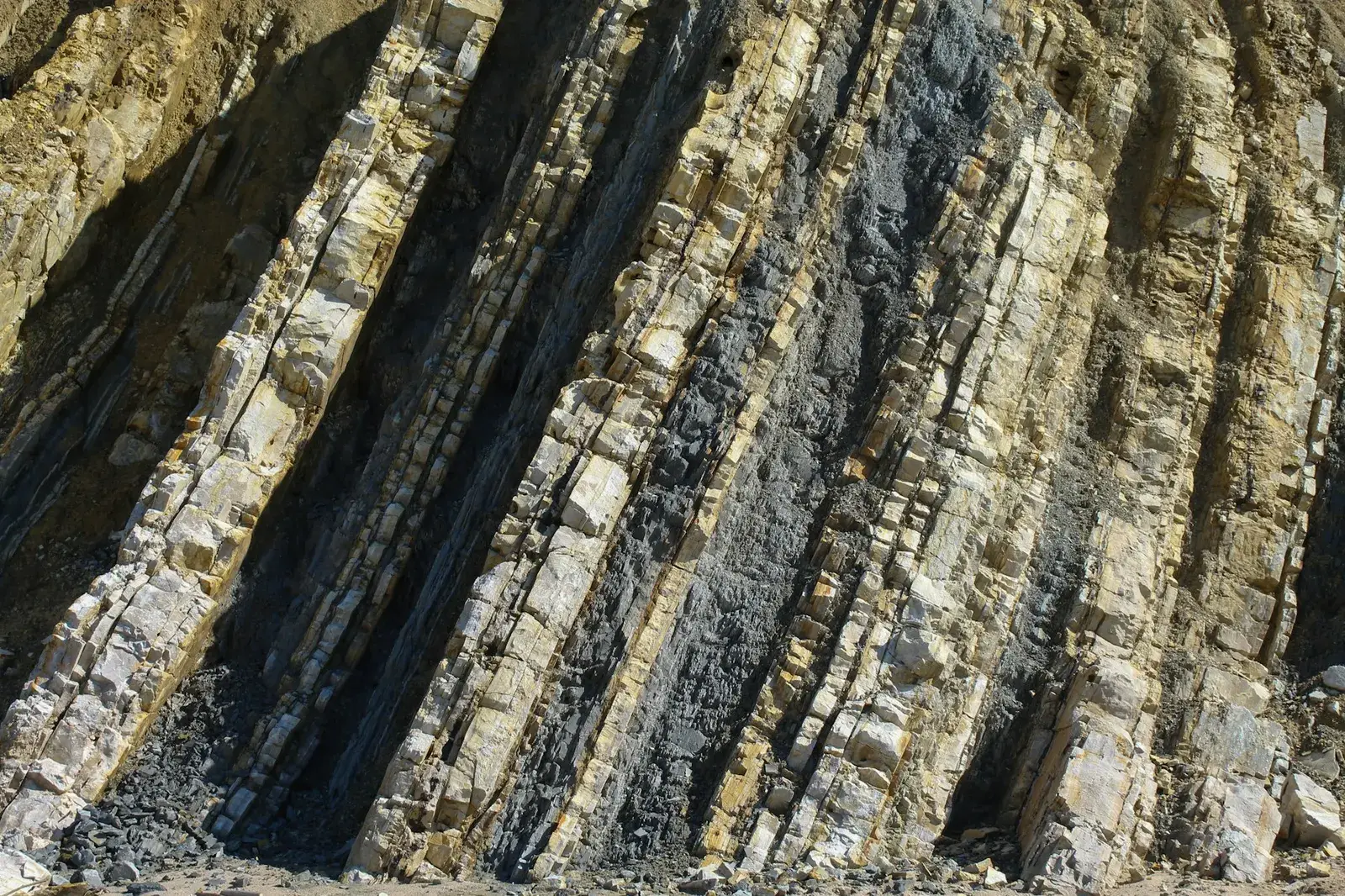
About seventy per cent of the programme is fieldwork. It focuses on identifying geological formations produced by alteration, and participants receive a field guide.
Overview
About the programme
About seventy per cent of the programme is fieldwork. It focuses on identifying geological formations produced by alteration, and participants receive a field guide.
Duration
5 days
Training hours
35 hours
Delivery
Training hall · Virtual · At your premises
Language
Arabic or English
Objectives
What trainees will gain
- Understand the physical changes in rocks associated with weathering.
- Recognise the types of rock weathering, which are usually poorly represented on geological maps.
- Understand their uses in hydrogeology, hazards, mineral resources and land management.
- Understand weathering phenomena and their importance in landscape evolution and geological history at different scales.
Content
What the programme covers
Weathering theory
- History, definition, classification, value and issues.
- Weathering profiles: granitic grus, saprolite, fissured horizons and fresh bedrock.
- Weathering processes and the resulting rocks: calcrete, silcrete and granular sandstone, and the role of climate and tectonics.
Investigation and mapping methods
- From outcrop scale to regional scale.
- Geological maps, subsurface databases and geophysical methods.
Properties and significance of weathered rocks
- In hydrogeology, in mining and mineral resources, and in hazards and land management.
Weathering as an indicator of geological evolution
- Introduction to palaeo-weathering and dating methods.
- Applied example: reading the geological history of a region from its weathered rocks.
Who for
Target audience
Geologists, cartographers, hydrogeologists and professionals working in mineral resource exploration.
Method
How it is delivered
Primarily fieldwork with an accompanying guide, plus introductory presentations.
A programme tailored to your organisation
The duration and topics of the programme are adjusted to the organisation's needs, and it is delivered at its site, in a training hall arranged by the Center, or virtually.