
Geosciences
Basic concepts in geology
An introduction providing basic knowledge of the disciplines that underpin the understanding of natural resources, land management and natural hazards, for non-specialists and those who work with geologists' findings.
Overview
About the programme
An introduction providing basic knowledge of the disciplines that underpin the understanding of natural resources, land management and natural hazards, for non-specialists and those who work with geologists' findings.
Duration
2 days
Training hours
14 hours
Delivery
Training hall · Virtual · At your premises
Language
Arabic or English
Objectives
What trainees will gain
- Understand the nature of the subsurface and its socio-economic issues: resources, development and hazards.
- Identify the main minerals and rocks.
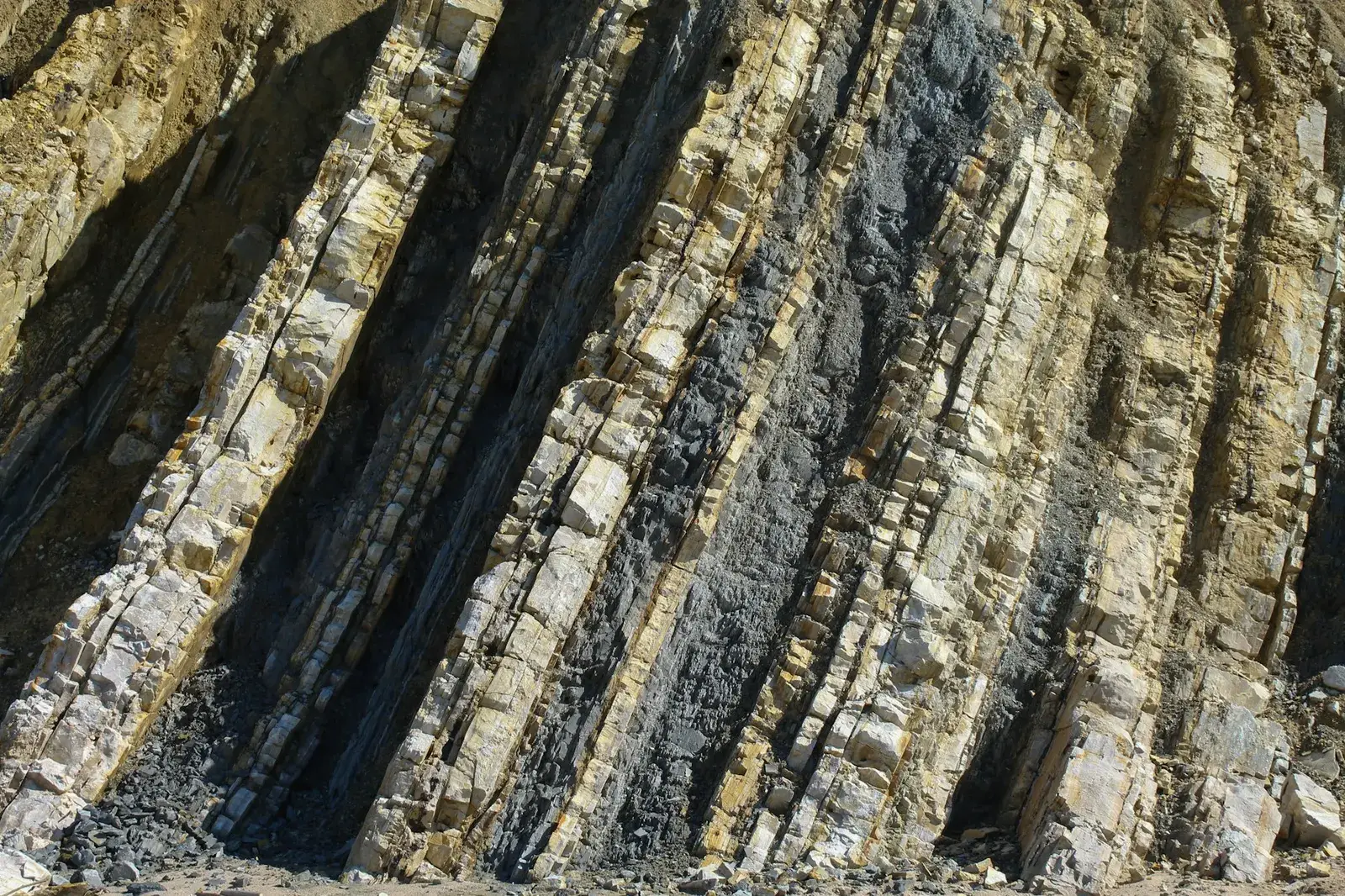
- Read a geological map and describe a rock outcrop in the field.
Content
What the programme covers
Geology: subjects and issues
- Fields of study in geology and the geosciences.
- Applications and purposes: natural resources, development, the environment, storage and natural hazards.
Rocks, minerals and fossils
- What are rocks, minerals and fossils?
- Sample study methods, and a practical workshop on describing rocks and minerals with the naked eye and under the microscope.
- The structure of the Earth and global tectonics.
- Geological scales of time and space: dating and correlation.
Geological maps
- What is a geological map, and how is it read and drawn?
- The development of geological maps.
Geology in the field
- Observing rocks at an outcrop.
- Geological application: a visit to an aggregate quarry, linking geological observations to operations.
Who for
Target audience
Open to all: resource managers, executives and development decision-makers, environmental managers, and government staff.
Method
How it is delivered
Classroom presentations, practical work on mineral, fossil and rock samples, and a field visit.
A programme tailored to your organisation
The duration and topics of the programme are adjusted to the organisation's needs, and it is delivered at its site, in a training hall arranged by the Center, or virtually.